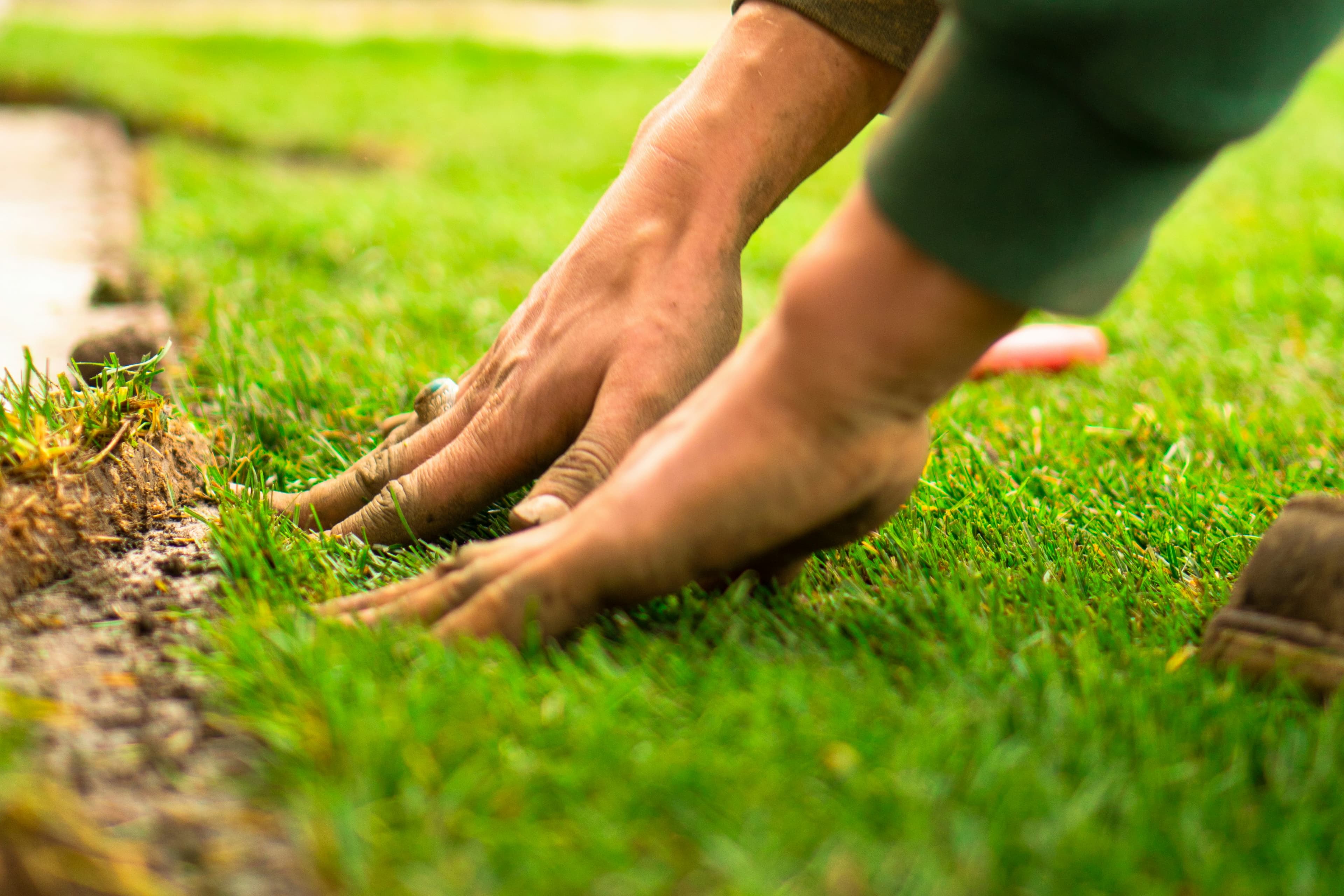
Georgetown is booming with new construction, and new homeowners are discovering that builder-installed sod often comes with significant challenges. Here's what to know and how to fix it.
Georgetown TX is one of the fastest-growing cities in the country, adding thousands of new homes each year in developments like Wolf Ranch, Morningstar, the newest sections of Teravista, and dozens of smaller subdivisions throughout Williamson County.
That growth means thousands of Georgetown homeowners annually face the unique challenge of establishing a new lawn — or rescuing a struggling builder-grade one. The challenges of new construction lawns are specific and predictable, and understanding them early saves homeowners a lot of frustration and money.
The Problem With Builder-Grade Sod
Most production builders in Georgetown install sod as quickly as possible after construction ends — often before soil conditions are anywhere near optimal. The reasons are practical: builders need to meet HOA landscape requirements, satisfy buyers, and move on to the next project.
The result, in many Georgetown new construction homes, is sod laid on:
Severely compacted soil: Construction equipment compacts soil to a degree that most homeowners don't realize. Heavy machinery running over the same ground repeatedly can compact clay soil to the point where roots physically cannot penetrate beyond 1–2 inches. Builder-installed sod sits on top of a rock-hard foundation that looks fine but functions terribly.
Minimal topsoil: Many Georgetown builders strip topsoil during grading and either don't replace it adequately or replace it with fill material that doesn't support healthy turf. New homeowners often have 2–3 inches of sandy fill over hard caliche or clay.
Poor grading: Builder grading prioritizes drainage away from the foundation — which is correct — but often creates low spots, drainage channels, and uneven surfaces in the yard that cause irrigation and mowing problems.
Root-restricted sod: Sod that's been harvested and sat on pallets for more than 24–48 hours begins to stress. In Georgetown's summer heat, sod installed quickly from stressed pallets may look fine initially but has a compromised root system.
Signs Your New Georgetown Lawn Has Problems
In the first 6–12 months, watch for:
Persistent dry spots despite regular watering: The classic sign of soil compaction. Water can't penetrate so it runs off, leaving spots that look drought-stressed even with daily irrigation.
Roots pulling up easily: Grab a handful of sod and gently pull. On a newly established lawn with good root development, you shouldn't be able to separate the sod from the soil easily. If it peels up like a carpet, roots haven't penetrated the soil — likely a compaction issue.
Uneven color: Yellowing in irregular patterns often indicates inconsistent soil quality or irrigation coverage. Your builder's irrigation installation may have gaps.
Rapid weed establishment: Weed seeds blow into thin or weak turf and establish quickly. A builder lawn that goes weedy within 3–6 months of installation typically has weak turf that can't compete.
Irrigation system problems: Many Georgetown new construction homes have irrigation systems installed by builder subcontractors who prioritize speed over quality. Broken heads, coverage gaps, and incorrect zone timing are all common.
What New Georgetown Homeowners Should Do in Year One
Immediately (First 30 Days)
Run your irrigation system zone by zone. Check every zone for broken heads, misaligned rotors, and coverage gaps. Fix any issues immediately — establishing new sod in Georgetown's heat with a broken irrigation system is extremely difficult.
Don't mow too soon. Wait until the sod is firmly rooted before mowing — typically 2–4 weeks after installation. Test by grabbing a corner and pulling; if it resists easily, you can mow. First mow should be at 3–3.5 inches for Bermuda, higher for St. Augustine.
Water correctly. New sod needs more frequent watering than established turf — twice daily for the first 1–2 weeks if watering restrictions allow. Always water in the early morning.
In the First 90 Days
Assess your soil. If you're seeing persistent dry spots or poor root development, soil compaction is likely. A simple screwdriver test (push a 6-inch screwdriver into moist soil — resistance beyond 2–3 inches indicates compaction) can confirm it.
Don't over-fertilize yet. Many new homeowners apply heavy fertilizer hoping to accelerate lawn establishment. Heavy nitrogen on a newly establishing Georgetown lawn can burn it or push top growth that exceeds root support. A light starter fertilizer (high in phosphorus) is appropriate; hold off on heavy nitrogen until the lawn is firmly established.
Repair bare spots before weeds take over. Any areas where sod didn't establish should be addressed within 60–90 days before weed colonization makes remediation harder.
At 6–12 Months
Core aerate. Once your lawn is firmly established — typically at the end of your first full growing season — core aeration should be your first priority. Aerating compacted builder soil is transformative. Many Georgetown new construction homeowners are amazed at the difference one aeration makes in how their lawn responds to irrigation.
Begin a proper fertilization program. After the establishment phase, transition your lawn to a proper seasonal fertilization program designed for Georgetown's climate and your grass type.
Reassess irrigation coverage and timing. After a full season, you'll have a clear picture of where your irrigation system is covering well and where it's falling short. Make adjustments before your second season.
When Builder Sod Fails: Options for Georgetown Homeowners
If builder sod installation fails significantly — large dead areas, pervasive compaction and poor root development across the entire yard, severe weed infestation — homeowners sometimes face the decision of whether to remediate or start over.
Complete lawn renovation (kill existing turf, address soil issues, reinstall sod) is disruptive but sometimes the most cost-effective path when the soil preparation was seriously deficient. A thorough soil amendment and grading correction before new sod installation sets the foundation for years of success instead of years of struggle.
Contact Georgetown Lawn Pros if you're dealing with a struggling new construction lawn. We assess the specific issues, explain your options, and help you determine whether remediation or renovation is the right path for your situation.